
Why Insurance in California Is Getting More Complicated(And What Property Owners and Businesses Should Know)
The Market Everyone Is Feeling
It’s no secret that Californians are noticing the insurance changes happening across the state: premiums increasing, stricter underwriting, and fewer options available in certain areas. For many people, this has caused frustration, confusion, and sometimes even anger. How are we supposed to afford the ever-growing cost of living in a state already known for being expensive?
As an insurance agent, I can sympathize with these feelings. I live here too, and I understand the concerns many homeowners and business owners are facing.
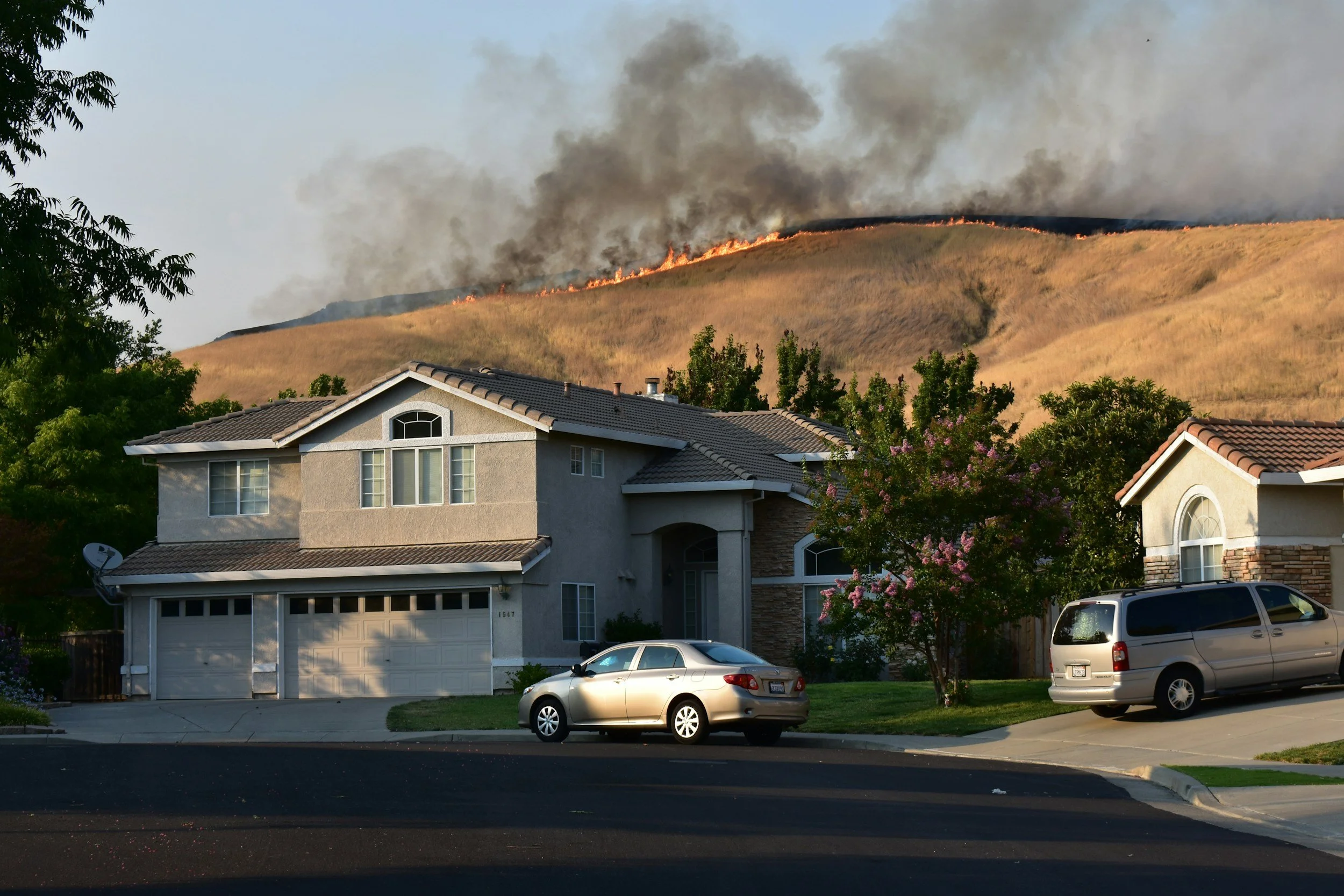
To understand what’s happening, it helps to know how insurance companies operate. Carriers rely heavily on risk data. Their ability to predict potential losses plays a major role in how they file their rates with the California Department of Insurance. When risk increases—such as wildfire exposure, catastrophic losses, or rising rebuilding costs—the way companies evaluate properties and businesses also changes.
The Changing Insurance Landscape
California has always been known for natural risks like wildfire seasons, dry climate conditions, and earthquakes. For many years, however, insurance prices remained relatively stable and affordable. Now that rates are rising, it can feel like a sudden shock.
Over the past several years, many insurance companies have reduced their presence in California or stopped writing new policies altogether. The reason is simple: companies must be financially capable of covering the risks they insure. When risk levels rise faster than companies can manage them, difficult decisions follow.
Some carriers are better positioned to handle certain risks than others. Much of this depends on how each company manages its overall risk portfolio.
One of the main ways insurers are responding is by evolving their underwriting guidelines. These guidelines are becoming more detailed and specific, meaning companies are paying closer attention to risk factors before issuing quotes or renewing policies. This process helps determine whether a carrier can continue providing coverage or if the client may need to seek insurance through another market.

What This Means for Property Owners
As carriers become more detailed in their underwriting reviews, they are also providing clearer indicators of what they are looking for in properties.
Some of the factors property owners can influence include:
• Property maintenance
• Roof condition and age
• Defensible space around structures
• Accurate rebuilding cost estimates
• Documentation of improvements or upgrades
The good news is that property owners can take steps to make their homes or buildings more appealing to insurance carriers. Prioritizing maintenance, preparing your property for wildfire risks, and keeping good records of upgrades can make a meaningful difference when insurers evaluate a property.
What This Means for Businesses
Businesses are also seeing increased scrutiny from insurance carriers. Companies are reviewing operations more closely, including contracts, safety procedures, and potential liability exposures.
Carriers are looking for businesses that demonstrate strong risk management and pride in ownership. Taking time to evaluate daily operations, identify potential hazards, and implement safety practices can help businesses present themselves more favorably during underwriting reviews.
For contractors, property owners, and service-based businesses, it is especially important that insurance policies accurately reflect the work being performed. When businesses expand operations, add services, begin new projects, or change their business structure, those updates should be discussed with their insurance advisor.
A policy should grow and adapt along with the business it protects.

Why Communication Before Renewal Matters
Your insurance agent is one of your best resources when it comes to understanding coverage. Agents help clients navigate insurance decisions and ensure policies reflect the risks associated with their property or business.
Communicating with your agent about changes—such as renovations, business growth, new contracts, or operational changes—can help prevent coverage gaps. No one wants to discover during a claim that their policy no longer matches their situation.
Insurance exists to protect against financial hardship from unexpected losses. In exchange for the premium paid, the insurance company agrees to take on that financial risk when covered events occur.
Checking in with your agent when changes happen—and at least once a year—helps ensure your coverage continues to match your needs.
The Role of a Local Insurance Advisor
A local insurance advisor acts as an intermediary between clients and insurance carriers. Independent agencies can access multiple insurance markets that individuals may not be able to reach on their own.
Agents also communicate with carriers on behalf of their clients and help translate the technical aspects of insurance into practical, understandable guidance.
Most importantly, a knowledgeable agent understands how the insurance market is changing and can help clients navigate coverage decisions as risks evolve.

Looking Ahead
Insurance markets are constantly evolving. While these changes can sometimes feel frustrating, staying informed and maintaining open communication with your insurance advisor can help property owners and businesses better prepare for the future.
If you have questions about your upcoming renewal or changes to your property or business, our team at VP Custom Insurance Solutions is always happy to review your coverage and help you plan ahead.